Premium automation engineering and advanced processing machines directly from vetted Chinese manufacturers.
A Technical Assessment of China's Sterilization Supply Chains, Safety Standards, and Equipment Automation
In the contemporary healthcare landscape, contamination control is the foundation of patient safety, clinical accuracy, and pharmaceutical integrity. Medical and surgical systems must conform to rigid microbial elimination directives to protect lives. Consequently, sterilization has shifted from being a post-production process to a highly integrated, continuous element of modern medical manufacturing lines.
As the demand for medical consumables—including IV dressings, surgical masks, sanitizing pads, and surgical gloves—surges globally, factories must implement robust sterilization and packaging mechanisms. This whitepaper analyzes how advanced manufacturing facilities in China have evolved into top-tier sterilization solutions providers. Through a combination of precision engineering, integrated process control, and compliance with international standards such as CE, FDA, and ISO 13485, Chinese suppliers are modernizing global clinical environments.
Decoupling sterilization protocols across medical waste management, dressing fabrication, and surgical tools.
Selecting the correct sterilization technology requires evaluating the physical characteristics of the target materials. Thermal sensitivity, chemical susceptibility, packaging permeability, and environmental compliance all dictate which technological pathway is chosen. Below, we compare the primary methods implemented by top Chinese manufacturing factories to guarantee high sterilization assurance levels (SAL):
| Methodology | Ideal Application Scenarios | Operating Principles & Parameters | Key Advantages | Relevant Compliance Standards |
|---|---|---|---|---|
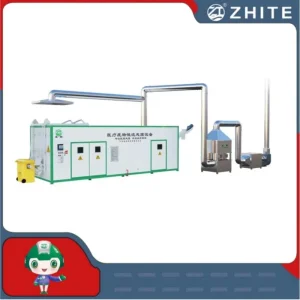
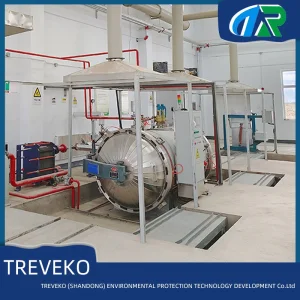
| High-Temperature Steam (Autoclaving) | Solid medical waste, reusable metal surgical tools, laboratory glassware. | Saturated steam at high pressures (15-30 psi) at temperatures of 121°C to 134°C. | Non-toxic, rapid cycle times, deep penetration depth, cost-effective. | EN 285, ISO 17665 |
| Ethylene Oxide (EO) Gas | IV dressings, N95 masks, delicate polymer components, surgical suture kits. | Low-temperature gas exposure (37°C - 63°C) under controlled relative humidity. | Excellent material compatibility, does not degrade heat-sensitive plastics. | ISO 11135 |
| Gamma / E-Beam Irradiation | Bulk disposable syringes, medical gloves, pre-packaged surgical dressings. | Ionizing radiation (Cobalt-60 or high-energy electron accelerators). | No chemical residues, treats products in their final shipping packages. | ISO 11137 |
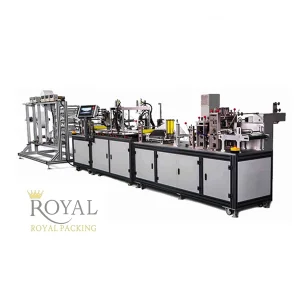
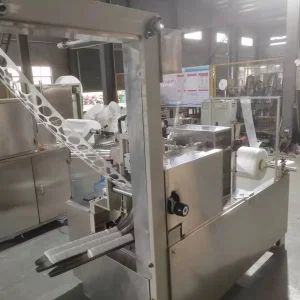
Modern Chinese factory floors integrate these methods directly with inline fabrication equipment. For instance, mask fabrication equipment and IV dressing lines are housed within ISO Class 7 or Class 8 cleanrooms. These structures are accompanied by automated gas diffusion or autoclaving stations that sterilize high-volume outputs before transit. This structural integration minimizes manual touchpoints, thereby reducing pre-sterilization bioburden levels.
Understanding how localized manufacturing clusters reduce lead times and enhance equipment quality.
The success of Suzhou Hanora Medical Supplies Co., Ltd. and its manufacturing partners relies on China's industrial clustering. Regions like Jiangsu and Zhejiang contain the world's most concentrated ecosystems for medical device machinery, automation controls, and steel fabrication. This physical proximity generates several operational advantages:
1. Vertical Component Sourcing: From heavy-duty autoclave chambers to precision servo drives for packaging machines, all structural materials are sourced within a 150-kilometer radius. This clustering insulates the production pipeline from global logistics bottlenecks.
2. Swift Engineering Iteration: When global clients require custom changes for their sterilization lines, engineering teams can implement design modifications, fabricate prototypes, and execute testing in days rather than weeks.
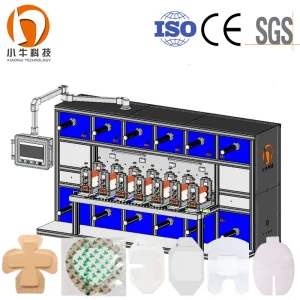
3. Advanced Automation Integration: Chinese factories utilize domestic robotics and sensor technologies. This approach enables the production of high-throughput machinery—such as automatic alcohol pad lines and silicone foam wound dressing systems—at competitive price points.
Suzhou Hanora Medical Supplies Co., Ltd. is founded in 2013. We are a sourcing company focusing on medical devices and lab equipment. We are committed to provide our clients with one-stop sourcing services, serving as their virtual office in China.
Our sourcing services include: product sourcing, price negotiation, supplier verification, factory auditing, production monitoring, lab testing, order follow-up, quality control, pre-shipment inspection, logistics support, etc. We have exported our products to more than 30 countries with a lot experience on sourcing and exporting.
For our clients we promise: the prices we offer are 100% authentic factory-gate prices, and clients are always allowed to pay directly to the factories. Beside business, we also care about the poor people, and we always give 5% from our profit to the charity to make a better world!
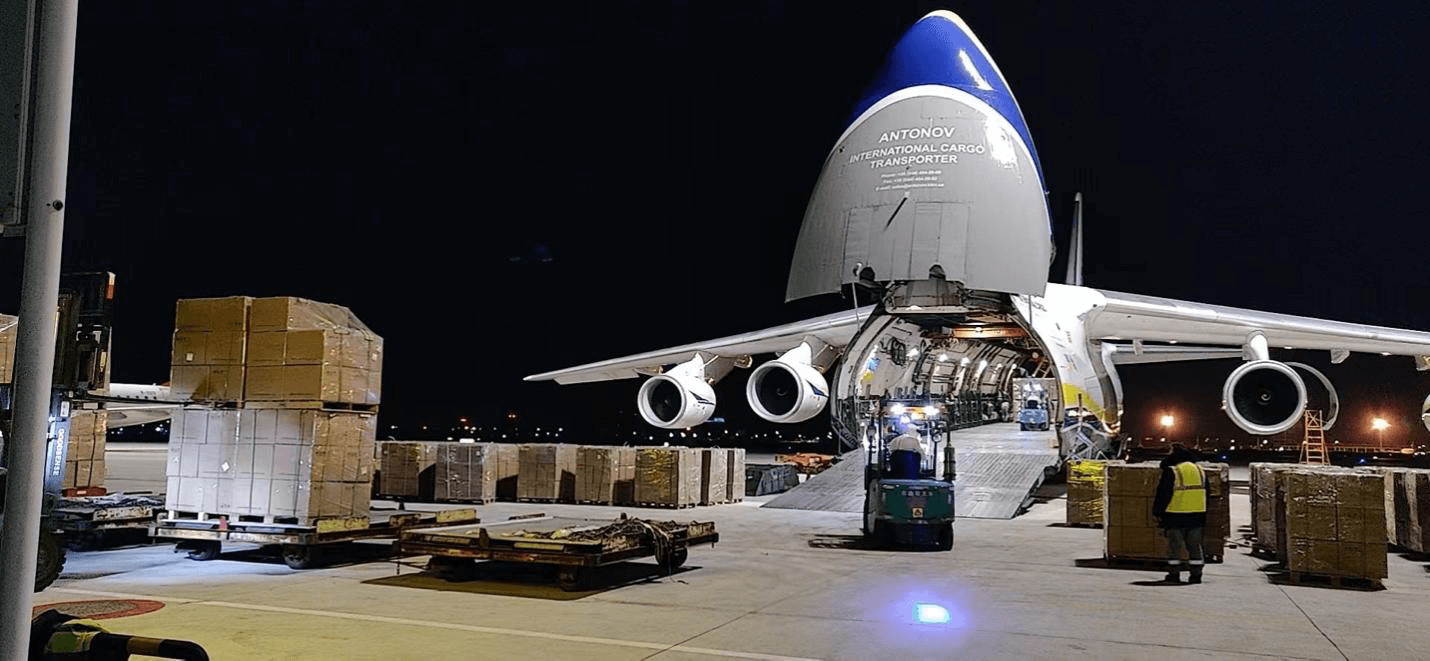
Your dedicated, risk-mitigated virtual sourcing office directly inside the Chinese manufacturing grid.

For new clients, we provide free services of product sourcing for 3 different products, and price quotes will be sent within 1-2 working days after acquiring client demands.

We provide multiple payment options, including direct payment to the factories, making it more convenient and safe for our clients.

Our expert team investigates factories thoroughly, verifying certifications, reviewing customs records, and performing on-site pre-shipment inspections.

For clients establishing long-term collaborations or complex purchasing structures, we dispatch representatives to local factories for physical negotiations.

Leveraging our extensive supplier network, we manage OEM/ODM production, prototyping, and mixed-model shipping logistics.

Having exported to more than 30 countries, we maintain long-term partnerships with freight forwarders to secure stable rates and shipping lines.

How sterilization technologies fit within diverse regional requirements and clinical workspaces.
Sterilization machinery is not one-size-fits-all. Different territories and industries enforce varying regulatory frameworks, requiring targeted equipment configurations:
Hanora Medical coordinates with manufacturers to ensure these regional variations are addressed during the design phase. From supplying specialized power transformers to integrating custom pressure vessels, we ensure that imported machinery meets local engineering and safety codes.
Exploring the technology trends shaping the next decade of clinical contamination control.
The sterilization sector is transitioning toward digitalization, real-time quality control, and minimal manual handling. Key trends we monitor and integrate into our machinery selections include:
1. IoT Integration & Remote Diagnostics: Next-generation steam and EO chambers utilize IoT gateways to stream cycle data to localized servers. This setup allows offshore engineers to troubleshoot, update software, and perform predictive maintenance audits remotely.
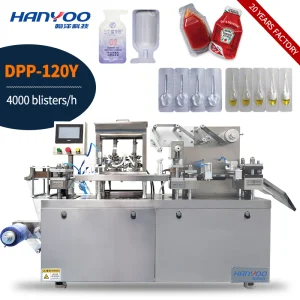
2. Collaborative Robotics (Cobots) in Sterile Packaging: Robotic loading systems are increasingly used to feed items into blister packaging lines. This configuration minimizes human contact prior to final sterilization, helping factories maintain low bioburden levels.
3. Eco-friendly Ethylene Oxide Processing: Due to strict environmental regulations regarding gas emissions, modern EO sterilization units are paired with catalytic oxidizers and gas scrubbers. These auxiliary systems break down residual EO gas, protecting both operators and the environment.
Direct answers to technical, logistical, and quality questions regarding Chinese sterilization equipment sourcing.
EO (Ethylene Oxide) is a low-temperature chemical gas sterilization process ideal for heat-sensitive plastics, electronic elements, and synthetic fibers like N95 masks or wound dressings. Steam autoclaving uses high-pressure, high-temperature saturated steam. It is suitable for robust, heat-resistant items like metal surgical instruments, glass, and solid medical waste treatment.
We provide a "Pay Directly to Factory" system. This model allows clients to bypass financial intermediaries and settle accounts directly with vetted, audited manufacturing entities. We also perform pre-shipment inspections, material certifications, and on-site factory evaluations to confirm that the finished equipment matches all ordered specifications.
Yes, our sourcing process targets factories that manufacture in accordance with ISO 13485 (Medical Devices Quality Management Systems) and GMP directives. The machinery can be supplied with validation documentation (IQ/OQ/PQ) to help clients secure local FDA registrations or CE certifications.
We partner with reliable freight forwarders experienced in handling out-of-gauge (OOG) and heavy industrial equipment. Machinery is secured in containers, protected with anti-corrosion barrier packaging, and insured from the factory gate to the destination port.
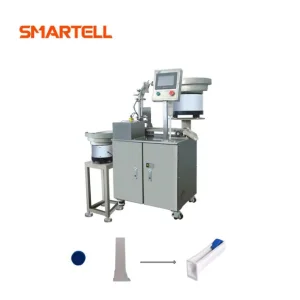
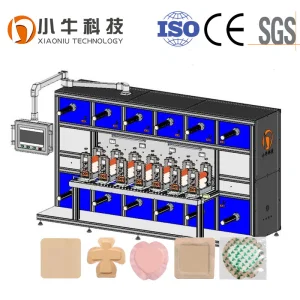
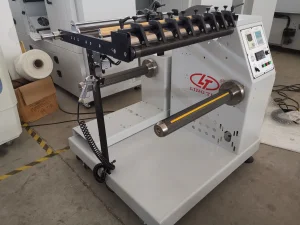
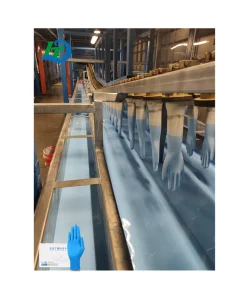
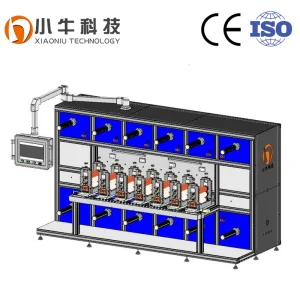
Explore our complete machinery catalog for disposable dressings, masks, gloves, and roll packaging systems.
 Hanora Medical